The Frappe Way
Excellence
Don’t forget to be awesome (DFTBA). We have to be good at what we do and objectively get better. Excellence comes from constantly questioning our work till we find satisfaction in it and others find delight. It means our work (software, services, communication) is thoughtful and of high-quality and usually exceeds expectations.
Freedom
We believe that individual freedom makes for the most fulfilling journeys. Everyone should be free to work the way they want, and where collaboration is required, it will be with consent. For decisions that impact a lot of people, we will use democratic or sociocratic principles to come to those decisions, keeping in mind that the compromise on individual freedoms is as little as possible.
Authenticity
We should try and keep things as honest and true as possible. Be conscious in all our decisions so they are simple and minimal and honest, whether it is design, software architecture, business model, workplace rules, travel plans etc. This value summarizes various ideas like sustainability, simplicity, originality, honesty, minimalism, thrift, conscious consumption.
Read about our vision
Updated April 15, 2023
Leadership in a democratic company
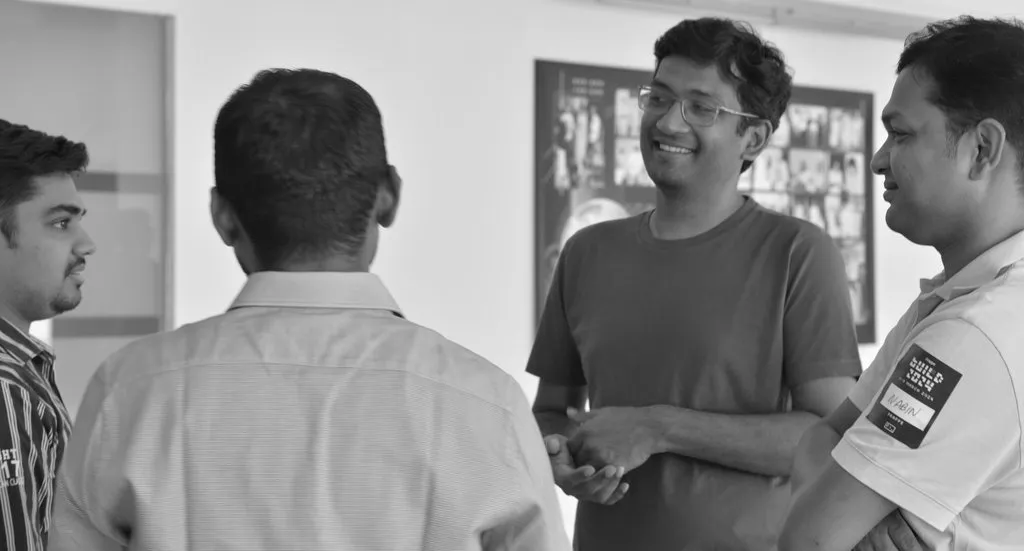
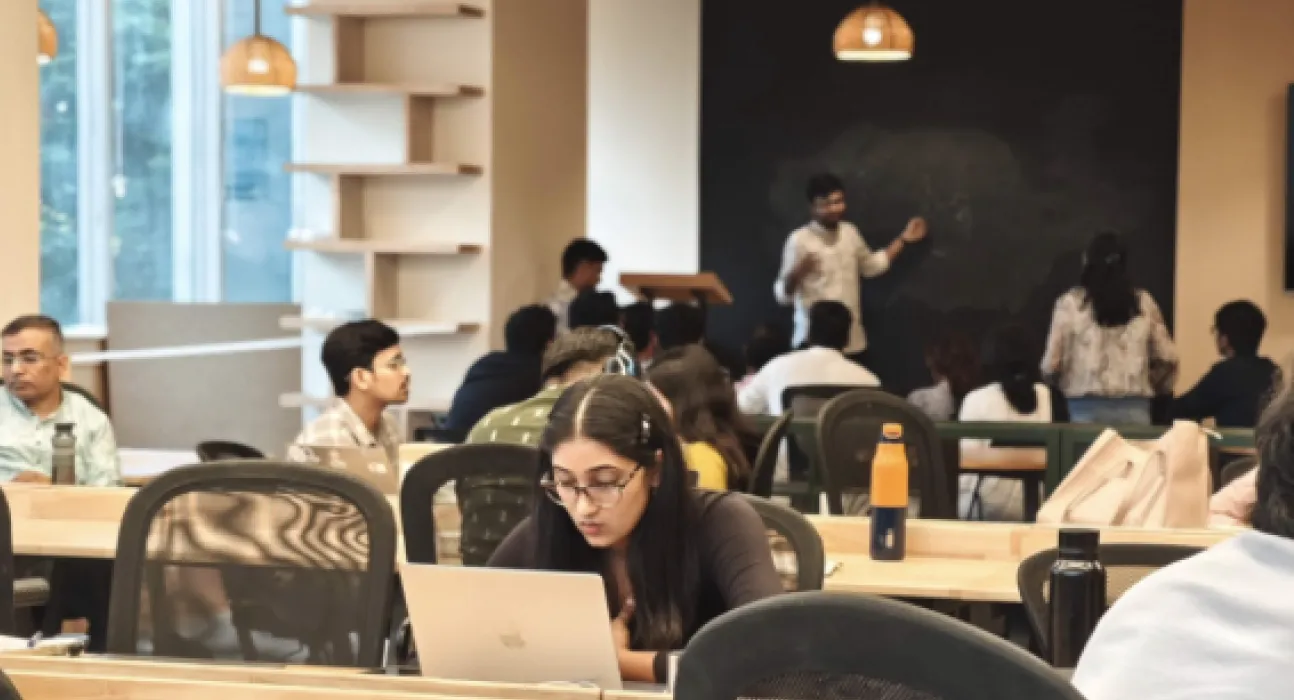
Because of our uniquely democratic operating model, leadership has always been something complex at Frappe. As an organisation, we have chosen to discover what it means to be in a team from first principles.
Let’s take a look into some of the ways this plays out.
Everyone is the hero of their own story
It seems like a no-brainer, but most people forget this when they become leaders. Leaders have influence on other people - that makes them assume that they know what is better for someone than the person themselves.
At Frappe, leaders cannot instruct others on what to do - this takes away their agency. Team members choose what to work on themselves. The leader’s job is to give context to people when they want it to choose their priorities, and give feedback on how they have done.
In short: let people be, even if you don’t understand them fully. Trust that they are invested in their own success personally and in the team's success as well.
Crafting the story
Perhaps the biggest part of leadership is to find purpose in what they do and communicate it to the team. Why should the team exist? The answer to this is usually told in terms of a story.
Designing and executing strategic initiatives is not easy. You have to come up with a solid plan, find players who are capable, aligned and motivated to do the job. As there is no formal hierarchy and no one can instruct anyone, every system you wish to change will fight back. The only way to solve this is through convincing your team members about your story and the purpose behind it.
Great leaders are the ones who inspire their teams to do great things.
Help people find and do great work
We believe people do their best work when they are driven by internal motivation - curiosity, mastery, interest, excitement.
To do this, leaders need to know what makes everyone “tick”. What makes their eyes light up? After this is discovered, leaders should help them do more of it.
TBR I was required to unlearn several things and learn the way Frappe operates. I was fascinated by Frappe’s flat structure, democracy and transparency, but having worked in a few conventional organisations in the past, initially it was a bit challenging to get accustomed to it.
Pushkar Joshi (Read the entire post)
Set high standards
As an organization, Frappe aspires to build the best products. We can only do that if quality is an integral part of our culture.
Quality is an attitude, a learned skill, that comes mostly from the environment. We are in Mumbai, and not in Silicon Valley - quality is not the default. So this is something we have to actively inculcate in the team. It could sometimes involve being a pain to others.
High standards go beyond quality - leaders also have to stand up for the rest of the core values. This means stepping in when someone is being coercive, or inauthentic, or when things are being done with intellectual dishonesty.
Doing great work is hard, and it requires radical honesty and a constant vigilance against sloppiness.
