


I had never been to South Africa before, so I was really diving to explore the unknown. Most of my understanding of the country came from school textbooks and the histories of Mahatma Gandhi and Nelson Mandela.
So before the trip, I picked up a classic: “Cry, the Beloved Country" by Alan Paton to understand the country before I visit it. The book is a deeply emotional narration of belonging, separation, injustice, and the complex social injustice shaped by apartheid. It also speaks about District 6, once a vibrant, diverse community erased during apartheid-era. Today also this area, though most of the land is barren, some of the areas is covered in sequential coloured houses representing the times of discrimination.
.JPG) District 6 Now: Coloured homes representing its history of discrimination.
District 6 Now: Coloured homes representing its history of discrimination.
While reading the book, I wondered how much of that history still shaped the country today—and how different the real South Africa would feel from the one I had imagined from the books.
I along with Nabin, Rucha & Ritvik were travelling from Mumbai to Cape Town via Addis Ababa. The descent into Addis Ababa was stunning: neatly planned city from above. It made me wish we had a few hours to explore the city.

Cape Town, however, welcomed us differently.
As we walked towards immigration, everything felt normal—until it wasn’t. Within minutes, we were told that our visas were not showing in the immigration system. Mine, Rucha’s, and Ritwik’s records were missing. Only Nabin’s visa appeared, and he was allowed through, while the rest of us were held back.
After close to 6 hours of uncertainty and being at the detention centre, we finally got help from the Indian Embassy. With help from the Indian consulate in Cape Town, the issue was clarified: the South African immigration portal had somehow experienced a syncing failure due to which our visas were not visible even though the visas were valid. Our names were on the manual list for some reason. Like us there were many other Indians who were stuck.
Stepping into Cape Town after that ordeal was a mix of relief, exhaustion, and a surprising sense of familiarity. It reminded me of Paton’s words, "how systems can fail people, and yet how individuals step in to restore dignity”.
Exploring the city with partners
We started our next morning at the peaceful Kirstenbosch Botanical Garden—the perfect reset after the previous night.
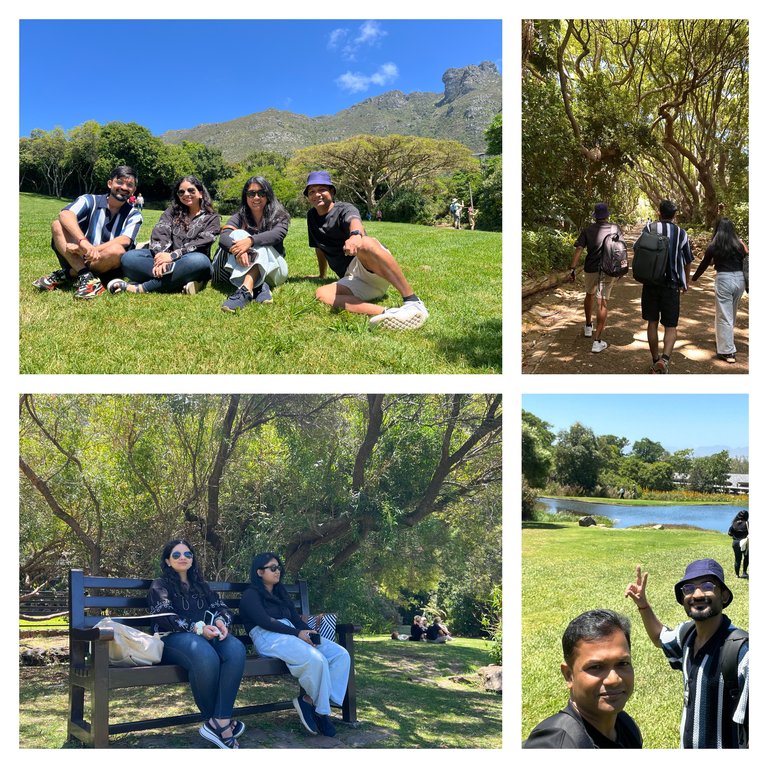
Our partner, Salieg, picked us up from the garden and spent the day showing us Cape Town. From the iconic Jameson Stairs at UCT to the bustling financial district, the city’s soul began to unfold.
During our conversations, he told me about his extensive experience with Sage Pastel and his time working with Sage. What stood out was his commitment to bringing meaningful change. He wants to transition his entire network of Sage resellers and distributors to ERPNext. When I asked him what he believed was the biggest challenge ERPNext would face in the South African market, he paused for a moment before saying, “We lack internal capacity in this country.” He explained how Sage had established itself by collaborating with universities—hackathons, coursework, student certifications. The same approach, he felt, could accelerate ERPNext adoption here. I could immediately relate to it since it reminded me of how Tally had also taken a similar approach to penetrate the Indian market.

The Frappe meet-up & Frappe Framework training
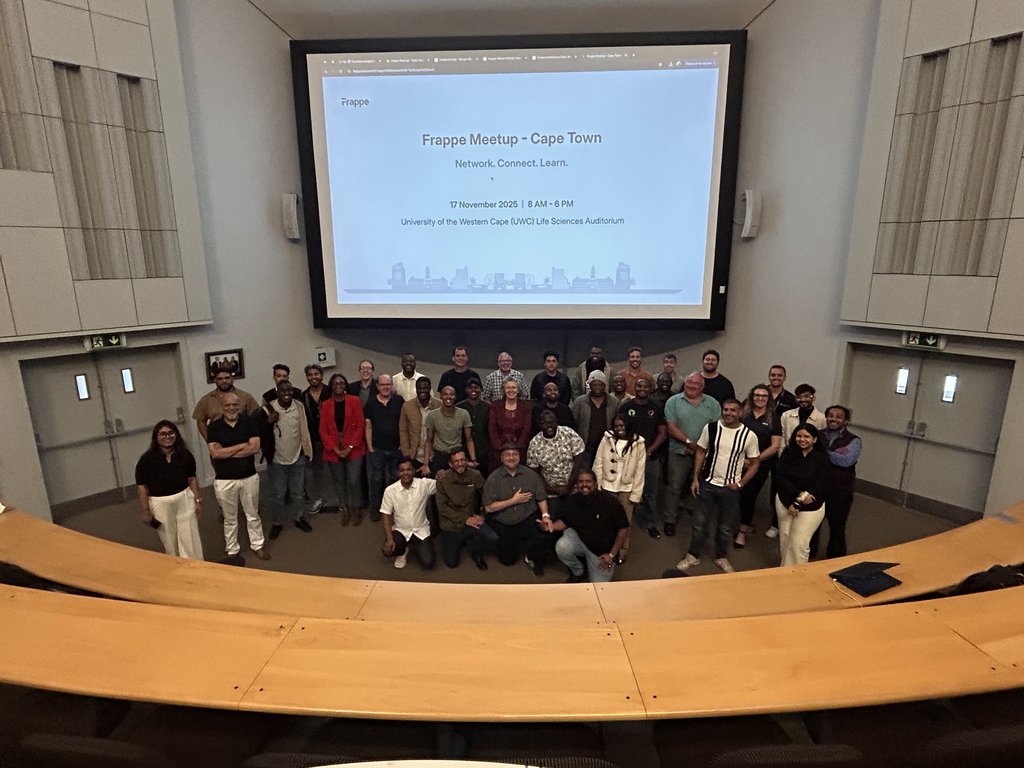
The second day of our trip was truly the highlight. The first-ever Frappe Meetup in Cape Town, which turned out to be a remarkable success. With 93 registrations and 53 attendees, the energy in the room far exceeded my expectations. We met people who had driven in from Johannesburg, neighbouring countries, exploring open source for the first time, partners curious about Frappe Cloud, and customers looking for alternatives to costly legacy systems.
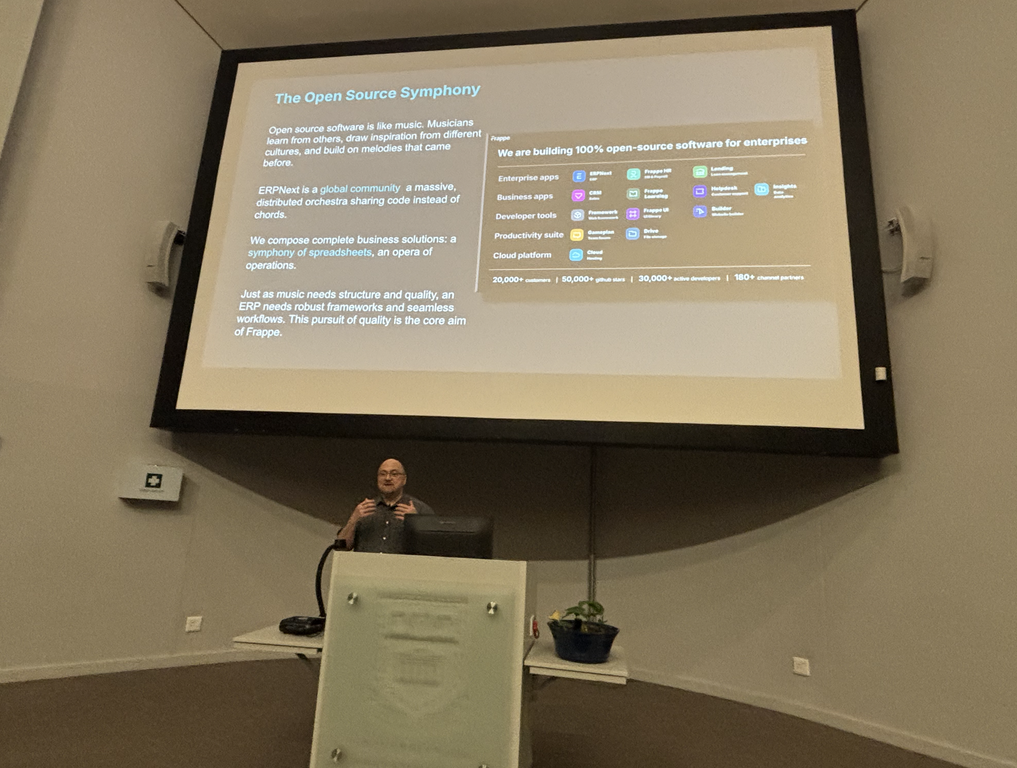
We began our day with an introduction from Salieg, whose energy and passion immediately set the tone. He spoke with genuine conviction about his vision for Frappe in South Africa. In his words, Frappe was an “Open Source Symphony”
He described it beautifully: a platform where every module, every contributor, every line of code plays its part. Just like instruments in an orchestra, each element comes together in harmony; flexible, modular, and powerful on its own, yet truly extraordinary when combined.
The session by Kera Chandler and Christiaan Swart from Cohenix, a subsidiary of EPI-Use stood out for me for many reasons. They walked us through the extensive work they’ve done on the ERPNext South Africa Localisation, which they have generously open sourced.
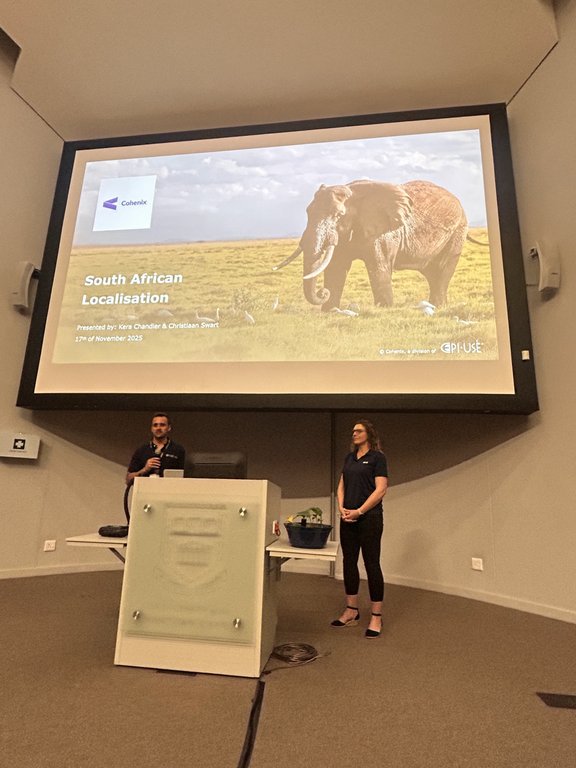
They had a very thoughtful architectural approach to it. They built two fully independent frameworks—one for Tax Compliance and another for Payroll Compliance—allowing each to function on its own without interdependency. It was not just technically clever but incredibly practical, especially for organisations that may need one without the other. (FYI: https://github.com/frappe/erpnextsouthafrica)
The next day brought its own surprise. While Rucha conducted Frappe Framework training for 16 enthusiastic participants, I met Suhail who worked in the administration from UWC — the person who helped us secure the venue. What started as a quick coffee turned into a three-hour tour of UWC’s campus & its history then moving towards the product. He was curious if they could use it internally. We further dived into their current operational workflows. An impromptu discussion turned to a Frappe Demo with their team.
Exploring the city
The next day we planned to meet the Red Cross Society, but the meeting was cancelled at the last minute—the General Secretary of the International Federation had to rush to Johannesburg for the G20 Summit. It was disappointing, but it also gifted us something rare on this trip: an unplanned, completely free day.
We drove to Cape Point then to the Cape of Good Hope, a place that feels like the end of the world yet calm and at Boulders Beach where we met the penguins. We tasted local cuisine and soaked in the atmosphere. As we moved through the city, I couldn’t help reflecting on the contrast—something Alan Paton captured that South Africa is full of “beauty and terror,” a land where the mountains stand in majesty while human lives struggle beneath their shadow. Cape Town reflects that duality even today exists.

Meeting the community
Our final day in Cape Town began early and it was pretty much blocked with meetings that showed us just how much momentum Frappe is gaining in South Africa. We started at the University of the Western Cape, where we met Prof. Ruchen Wyngaard to discuss how ERPNext could be integrated into student learning. We spoke about creating hackathons, introducing ERPNext into academic projects, and encouraging students to build their own startups using the product. The timing couldn’t have been better—UWC was hosting a German exchange program, and the visiting professors were enthusiastic about collaborating further.
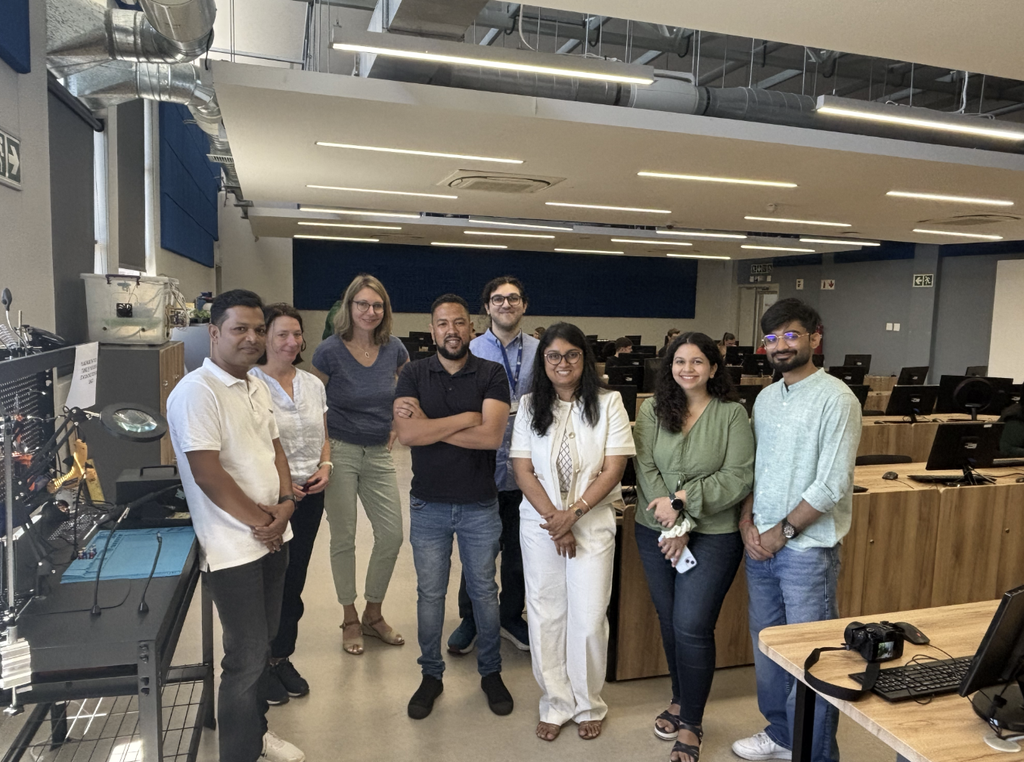
From there, we headed to meet Bevan Wilson from Greater Computer Solutions, a Sage Platinum Reseller. He spoke candidly about the challenges of selling Sage: high licensing fees, limited reseller margins, and outdated on-premise systems that no longer meet customer expectations. When we walked him through how Frappe Cloud operates, especially with hosting available in Cape Town and Johannesburg, he immediately recognised the opportunity. I think we can see a long way to go with them.

Our last visit of the day was to Green Pasteurs (Onion Chef), a subsidiary of Freezer Link, who have been using Sage Pastel for years. They shared how rigid the workflows in Sage had become, to the point where it created more manual work instead of automating their processes. Even basic functions like a simple Delivery Note were missing, and the lack of a cloud-hosting option meant they had to manage their own infrastructure, which has been increasingly difficult for them.
During the factory tour, they also showed us how they currently maintain their Gantt charts manually—further reinforcing their desire to move to ERPNext for a more streamlined and automated setup.
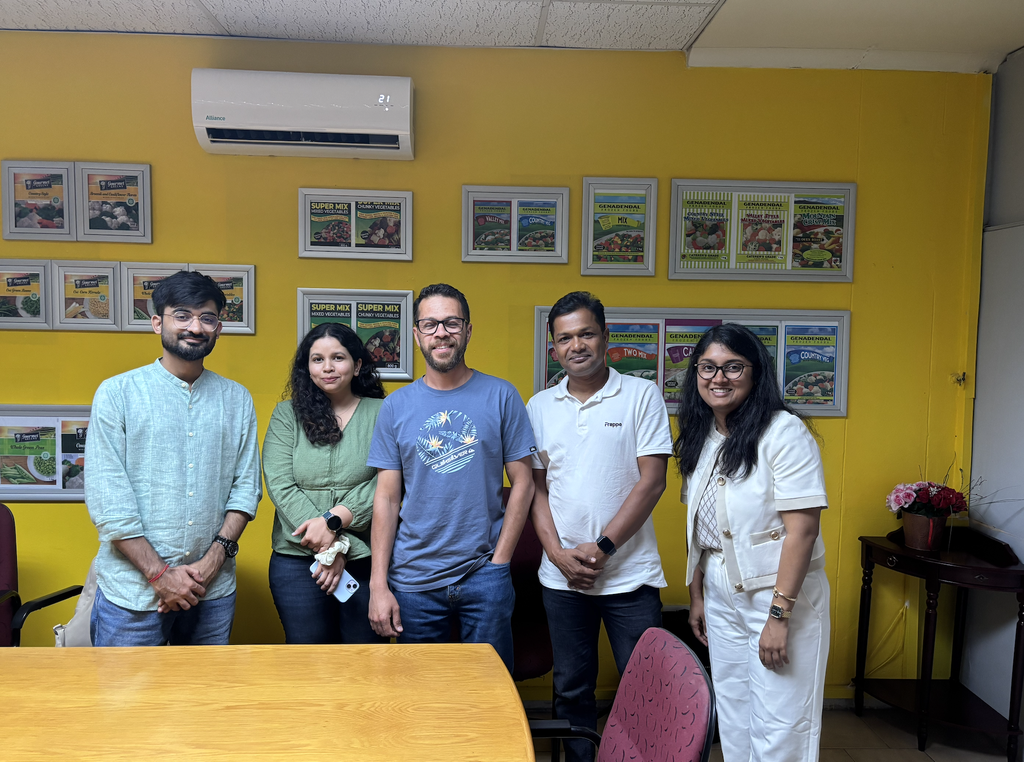
By the end of the day, it was clear that Frappe can fit in very well in South Africa. The enthusiasm from universities, partners and customers made this one of the most encouraging days of our trip.
To finish off the day, Salieg requested that we meet his longtime friend from India, who migrated to South Africa in 1993 and has lived there ever since. He did ask them that when the team comes please do make me meet them. He shifted from Ghatkopar after the Bombay riots in 1992-1993 to South Africa. Professionally he is an accountant, but gardening is his true passion. He shared valuable insights about the history of Indians in South Africa and the discrimination that still exists today. After a meaningful and refreshing conversation, he generously gifted Rucha and me a couple of books, as we had been deeply engrossed in his collection. He insisted we take one each as a token of remembrance.
.JPG)
I personally realised that South Africa is a place that refuses to fit into a single narrative. It is beautiful yet bruised. What started as a trip to host a meetup became a reminder of why we do what we do: empower people to build, create, question, and transform. Cape Town gave us stories, friendships, and possibilities. We are returning with far more than we brought and I would definitely like to come back to this place again.


·
Unwanted kit in doha in abu dhabi* +971521553488 Abortion Pills in manama,sharjahmisoprostol mifepristone in Kuwait city,dubai^Fujairah,qatar kuwait +971521553488 –Cytotec in muscat Ajman,BAHRAIN abu dhabi Across UAE—Mifepristone, Misoprostol, Cytotec available in riyadh +971-521553488 Abortion Pills For CYTOTEC PILLS IN DOHA((+971 521553488).)ABORTION PILLS IN ABU DHABI (+971 521553488.) JUAL OBAT ABORSI DI DUBAI, IN QATAR,KUWAIT/ Riyadh / Jeddah / Dammam+)Contact us at +971521553488) Abortion Pills In Sharjah dubai♻️)abortion pills in bahrain qatar(+971521553488 misoprostol in dubai doha ,cytotec pills/tablets in dubai ajman,abortion pills in abu dhabi,kuwaitcity .al ain abortion pills in muscat oman* Abortion Pills in Dubai/oman/misoprostol in Abudhabi/Fujairah +971521553488 )-mifepristone & misoprostol in Dubai/Abu Dhabi/cytotec in kuwaitcity Sharjah-cytotec in Dubai/Ajman/RAK-Abortion pills for sale in DUBAI CONTACT DR.Leen Whatsapp ++971521553488Where We have Abortion Pills in qatar/ Cytotec Tablets /mifegest kit Available in Dubai, Sharjah, Abudhabi, Ajman, Alain, Fujairah, Ras Al Khaimah, Umm Al Quwain, UAE, buy cytotec in Dubai +971521553488Where “”Abortion Pills near me DUBAI | ABU DHABI|UAE. Price of Misoprostol, Cytotec” +971521553488Where “BUY ABORTION PILLS MIFEGEST KIT, MISOPROTONE, CYTOTEC PILLS IN DUBAI, ABU DHABI,UAE” Contact me now via whatsapp…… abortion Pills Cytotec also available Oman Qatar Doha Saudi Arabia Bahrain Above all, Cytotec Abortion Pills are Available In Dubai / UAE, you will be very happy to do abortion in dubai we are providing cytotec 200mg abortion pill in Dubai+971521553488, UAE. Medication abortion offers an alternative to Surgical Abortion for women in the early weeks of pregnancy. We only offer abortion pills from 1 week-6 Months. We then advice you to use surgery if its beyond 6 months. Our Abu Dhabi, Ajman, Al Ain, Dubai, Fujairah, Ras Al Khaimah (RAK), Sharjah, Umm Al Quwain (UAQ) United Arab Emirates Abortion Clinic provides the safest and most advanced techniques for providing non-surgical, medical and surgical abortion methods for early through late second trimester, including the Abortion By Pill Procedure (RU 486, Mifeprex, Mifepristone, early options French Abortion Pill), Tamoxifen, Methotrexate and Cytotec (Misoprostol). The Abu Dhabi, United Arab Emirates Abortion Clinic performs Same Day Abortion Procedure using medications that are taken on the first day of the office visit and will cause the abortion to occur generally within 4 to 6 hours (as early as 30 minutes) for patients who are 3 to 12 weeks pregnant. When Mifepristone and Misoprostol are used, 50% of patients complete in 4 to 6 hours; 75% to 80% in 12 hours; and 90% in 24 hours. We use a regimen that allows for completion without the need for surgery 99% of the time. All advanced second trimester and late term pregnancies at our Tampa clinic (17 to 24 weeks or greater) can be completed within 24 hours or less 99% of the time without the need surgery. The procedure is completed with minimal to no complications. Our Women’s Health Center located in Abu Dhabi, United Arab Emirates,+971521553488Where uses the latest medications for medical abortions (RU486, Mifeprex, Mifegyne, Mifepristone, early options French abortion pill), Methotrexate and Cytotec (Misoprostol). The safety standards of our Abu Dhabi, United Arab Emirates Abortion Doctors remain unparalleled. They consistently maintain the lowest complication rates throughout the nation. Our Physicians and staff are always available to answer questions and care for women in one of the most difficult times in their life. The decision to have an abortion at the Abortion Clinic in Abu Dhabi, United Arab Emirates, involves moral, ethical, religious, family, financial, health and age considerations. Buy abortion pills in Dubai, Buy abortion pills in Oman, Buy abortion pills in Abu Dhabi, Buy abortion pills in Sharjah Fujairah, Buy abortion pills in Ras Al Khaimah (RAK), Buy abortion pills in Ajman, Buy abortion pills in Al Ain, Buy abortion pills in Umm Al Quwain (UAQ), Buy abortion pills in Kuwait, Abortion Pills Available In Dubai, Abortion Pills Available In UAE, Abortion Pills Available In Abu Dhabi, Abortion Pills Available In Sharjah, Abortion Pills Available In Fujairah, Abortion Pills Available In Alain, Abortion Pills Available In Qatar, Cytotec Available In Dubai Cytotec in Dubai, abortion pills in Dubai for sale+971521553488Where Cytotec Pills Dubai, Abortion Cytotec Pills In Dubai UAE, Whatsapp +971521553488Where Question Tags: +971521553488Where “Legit & Safe ABORTION PILLS, ABU DHABI Sharjah Alain RAK city Satwa Jumeirah Al barsha, CYTOTEC, MIFEGEST KIT IN DUBAI, Misoprostol, UAE” Contact me now via whatsapp………….+971521553488Where
·
Unwanted kit in doha in abu dhabi* +971521553488 Abortion Pills in manama,sharjahmisoprostol mifepristone in Kuwait city,dubai^Fujairah,qatar kuwait +971521553488 –Cytotec in muscat Ajman,BAHRAIN abu dhabi Across UAE—Mifepristone, Misoprostol, Cytotec available in riyadh +971-521553488 Abortion Pills For CYTOTEC PILLS IN DOHA((+971 521553488).)ABORTION PILLS IN ABU DHABI (+971 521553488.) JUAL OBAT ABORSI DI DUBAI, IN QATAR,KUWAIT/ Riyadh / Jeddah / Dammam+)Contact us at +971521553488) Abortion Pills In Sharjah dubai♻️)abortion pills in bahrain qatar(+971521553488 misoprostol in dubai doha ,cytotec pills/tablets in dubai ajman,abortion pills in abu dhabi,kuwaitcity .al ain abortion pills in muscat oman* Abortion Pills in Dubai/oman/misoprostol in Abudhabi/Fujairah +971521553488 )-mifepristone & misoprostol in Dubai/Abu Dhabi/cytotec in kuwaitcity Sharjah-cytotec in Dubai/Ajman/RAK-Abortion pills for sale in DUBAI CONTACT DR.Leen Whatsapp ++971521553488Where We have Abortion Pills in qatar/ Cytotec Tablets /mifegest kit Available in Dubai, Sharjah, Abudhabi, Ajman, Alain, Fujairah, Ras Al Khaimah, Umm Al Quwain, UAE, buy cytotec in Dubai +971521553488Where “”Abortion Pills near me DUBAI | ABU DHABI|UAE. Price of Misoprostol, Cytotec” +971521553488Where “BUY ABORTION PILLS MIFEGEST KIT, MISOPROTONE, CYTOTEC PILLS IN DUBAI, ABU DHABI,UAE” Contact me now via whatsapp…… abortion Pills Cytotec also available Oman Qatar Doha Saudi Arabia Bahrain Above all, Cytotec Abortion Pills are Available In Dubai / UAE, you will be very happy to do abortion in dubai we are providing cytotec 200mg abortion pill in Dubai+971521553488, UAE. Medication abortion offers an alternative to Surgical Abortion for women in the early weeks of pregnancy. We only offer abortion pills from 1 week-6 Months. We then advice you to use surgery if its beyond 6 months. Our Abu Dhabi, Ajman, Al Ain, Dubai, Fujairah, Ras Al Khaimah (RAK), Sharjah, Umm Al Quwain (UAQ) United Arab Emirates Abortion Clinic provides the safest and most advanced techniques for providing non-surgical, medical and surgical abortion methods for early through late second trimester, including the Abortion By Pill Procedure (RU 486, Mifeprex, Mifepristone, early options French Abortion Pill), Tamoxifen, Methotrexate and Cytotec (Misoprostol). The Abu Dhabi, United Arab Emirates Abortion Clinic performs Same Day Abortion Procedure using medications that are taken on the first day of the office visit and will cause the abortion to occur generally within 4 to 6 hours (as early as 30 minutes) for patients who are 3 to 12 weeks pregnant. When Mifepristone and Misoprostol are used, 50% of patients complete in 4 to 6 hours; 75% to 80% in 12 hours; and 90% in 24 hours. We use a regimen that allows for completion without the need for surgery 99% of the time. All advanced second trimester and late term pregnancies at our Tampa clinic (17 to 24 weeks or greater) can be completed within 24 hours or less 99% of the time without the need surgery. The procedure is completed with minimal to no complications. Our Women’s Health Center located in Abu Dhabi, United Arab Emirates,+971521553488Where uses the latest medications for medical abortions (RU486, Mifeprex, Mifegyne, Mifepristone, early options French abortion pill), Methotrexate and Cytotec (Misoprostol). The safety standards of our Abu Dhabi, United Arab Emirates Abortion Doctors remain unparalleled. They consistently maintain the lowest complication rates throughout the nation. Our Physicians and staff are always available to answer questions and care for women in one of the most difficult times in their life. The decision to have an abortion at the Abortion Clinic in Abu Dhabi, United Arab Emirates, involves moral, ethical, religious, family, financial, health and age considerations. Buy abortion pills in Dubai, Buy abortion pills in Oman, Buy abortion pills in Abu Dhabi, Buy abortion pills in Sharjah Fujairah, Buy abortion pills in Ras Al Khaimah (RAK), Buy abortion pills in Ajman, Buy abortion pills in Al Ain, Buy abortion pills in Umm Al Quwain (UAQ), Buy abortion pills in Kuwait, Abortion Pills Available In Dubai, Abortion Pills Available In UAE, Abortion Pills Available In Abu Dhabi, Abortion Pills Available In Sharjah, Abortion Pills Available In Fujairah, Abortion Pills Available In Alain, Abortion Pills Available In Qatar, Cytotec Available In Dubai Cytotec in Dubai, abortion pills in Dubai for sale+971521553488Where Cytotec Pills Dubai, Abortion Cytotec Pills In Dubai UAE, Whatsapp +971521553488Where Question Tags: +971521553488Where “Legit & Safe ABORTION PILLS, ABU DHABI Sharjah Alain RAK city Satwa Jumeirah Al barsha, CYTOTEC, MIFEGEST KIT IN DUBAI, Misoprostol, UAE” Contact me now via whatsapp………….+971521553488Where
·
Unwanted kit in doha in abu dhabi* +971521553488 Abortion Pills in manama,sharjahmisoprostol mifepristone in Kuwait city,dubai^Fujairah,qatar kuwait +971521553488 –Cytotec in muscat Ajman,BAHRAIN abu dhabi Across UAE—Mifepristone, Misoprostol, Cytotec available in riyadh +971-521553488 Abortion Pills For CYTOTEC PILLS IN DOHA((+971 521553488).)ABORTION PILLS IN ABU DHABI (+971 521553488.) JUAL OBAT ABORSI DI DUBAI, IN QATAR,KUWAIT/ Riyadh / Jeddah / Dammam+)Contact us at +971521553488) Abortion Pills In Sharjah dubai♻️)abortion pills in bahrain qatar(+971521553488 misoprostol in dubai doha ,cytotec pills/tablets in dubai ajman,abortion pills in abu dhabi,kuwaitcity .al ain abortion pills in muscat oman* Abortion Pills in Dubai/oman/misoprostol in Abudhabi/Fujairah +971521553488 )-mifepristone & misoprostol in Dubai/Abu Dhabi/cytotec in kuwaitcity Sharjah-cytotec in Dubai/Ajman/RAK-Abortion pills for sale in DUBAI CONTACT DR.Leen Whatsapp ++971521553488Where We have Abortion Pills in qatar/ Cytotec Tablets /mifegest kit Available in Dubai, Sharjah, Abudhabi, Ajman, Alain, Fujairah, Ras Al Khaimah, Umm Al Quwain, UAE, buy cytotec in Dubai +971521553488Where “”Abortion Pills near me DUBAI | ABU DHABI|UAE. Price of Misoprostol, Cytotec” +971521553488Where “BUY ABORTION PILLS MIFEGEST KIT, MISOPROTONE, CYTOTEC PILLS IN DUBAI, ABU DHABI,UAE” Contact me now via whatsapp…… abortion Pills Cytotec also available Oman Qatar Doha Saudi Arabia Bahrain Above all, Cytotec Abortion Pills are Available In Dubai / UAE, you will be very happy to do abortion in dubai we are providing cytotec 200mg abortion pill in Dubai+971521553488, UAE. Medication abortion offers an alternative to Surgical Abortion for women in the early weeks of pregnancy. We only offer abortion pills from 1 week-6 Months. We then advice you to use surgery if its beyond 6 months. Our Abu Dhabi, Ajman, Al Ain, Dubai, Fujairah, Ras Al Khaimah (RAK), Sharjah, Umm Al Quwain (UAQ) United Arab Emirates Abortion Clinic provides the safest and most advanced techniques for providing non-surgical, medical and surgical abortion methods for early through late second trimester, including the Abortion By Pill Procedure (RU 486, Mifeprex, Mifepristone, early options French Abortion Pill), Tamoxifen, Methotrexate and Cytotec (Misoprostol). The Abu Dhabi, United Arab Emirates Abortion Clinic performs Same Day Abortion Procedure using medications that are taken on the first day of the office visit and will cause the abortion to occur generally within 4 to 6 hours (as early as 30 minutes) for patients who are 3 to 12 weeks pregnant. When Mifepristone and Misoprostol are used, 50% of patients complete in 4 to 6 hours; 75% to 80% in 12 hours; and 90% in 24 hours. We use a regimen that allows for completion without the need for surgery 99% of the time. All advanced second trimester and late term pregnancies at our Tampa clinic (17 to 24 weeks or greater) can be completed within 24 hours or less 99% of the time without the need surgery. The procedure is completed with minimal to no complications. Our Women’s Health Center located in Abu Dhabi, United Arab Emirates,+971521553488Where uses the latest medications for medical abortions (RU486, Mifeprex, Mifegyne, Mifepristone, early options French abortion pill), Methotrexate and Cytotec (Misoprostol). The safety standards of our Abu Dhabi, United Arab Emirates Abortion Doctors remain unparalleled. They consistently maintain the lowest complication rates throughout the nation. Our Physicians and staff are always available to answer questions and care for women in one of the most difficult times in their life. The decision to have an abortion at the Abortion Clinic in Abu Dhabi, United Arab Emirates, involves moral, ethical, religious, family, financial, health and age considerations. Buy abortion pills in Dubai, Buy abortion pills in Oman, Buy abortion pills in Abu Dhabi, Buy abortion pills in Sharjah Fujairah, Buy abortion pills in Ras Al Khaimah (RAK), Buy abortion pills in Ajman, Buy abortion pills in Al Ain, Buy abortion pills in Umm Al Quwain (UAQ), Buy abortion pills in Kuwait, Abortion Pills Available In Dubai, Abortion Pills Available In UAE, Abortion Pills Available In Abu Dhabi, Abortion Pills Available In Sharjah, Abortion Pills Available In Fujairah, Abortion Pills Available In Alain, Abortion Pills Available In Qatar, Cytotec Available In Dubai Cytotec in Dubai, abortion pills in Dubai for sale+971521553488Where Cytotec Pills Dubai, Abortion Cytotec Pills In Dubai UAE, Whatsapp +971521553488Where Question Tags: +971521553488Where “Legit & Safe ABORTION PILLS, ABU DHABI Sharjah Alain RAK city Satwa Jumeirah Al barsha, CYTOTEC, MIFEGEST KIT IN DUBAI, Misoprostol, UAE” Contact me now via whatsapp………….+971521553488Where
·
Unwanted kit in doha in abu dhabi* +971521553488 Abortion Pills in manama,sharjahmisoprostol mifepristone in Kuwait city,dubai^Fujairah,qatar kuwait +971521553488 –Cytotec in muscat Ajman,BAHRAIN abu dhabi Across UAE—Mifepristone, Misoprostol, Cytotec available in riyadh +971-521553488 Abortion Pills For CYTOTEC PILLS IN DOHA((+971 521553488).)ABORTION PILLS IN ABU DHABI (+971 521553488.) JUAL OBAT ABORSI DI DUBAI, IN QATAR,KUWAIT/ Riyadh / Jeddah / Dammam+)Contact us at +971521553488) Abortion Pills In Sharjah dubai♻️)abortion pills in bahrain qatar(+971521553488 misoprostol in dubai doha ,cytotec pills/tablets in dubai ajman,abortion pills in abu dhabi,kuwaitcity .al ain abortion pills in muscat oman* Abortion Pills in Dubai/oman/misoprostol in Abudhabi/Fujairah +971521553488 )-mifepristone & misoprostol in Dubai/Abu Dhabi/cytotec in kuwaitcity Sharjah-cytotec in Dubai/Ajman/RAK-Abortion pills for sale in DUBAI CONTACT DR.Leen Whatsapp ++971521553488Where We have Abortion Pills in qatar/ Cytotec Tablets /mifegest kit Available in Dubai, Sharjah, Abudhabi, Ajman, Alain, Fujairah, Ras Al Khaimah, Umm Al Quwain, UAE, buy cytotec in Dubai +971521553488Where “”Abortion Pills near me DUBAI | ABU DHABI|UAE. Price of Misoprostol, Cytotec” +971521553488Where “BUY ABORTION PILLS MIFEGEST KIT, MISOPROTONE, CYTOTEC PILLS IN DUBAI, ABU DHABI,UAE” Contact me now via whatsapp…… abortion Pills Cytotec also available Oman Qatar Doha Saudi Arabia Bahrain Above all, Cytotec Abortion Pills are Available In Dubai / UAE, you will be very happy to do abortion in dubai we are providing cytotec 200mg abortion pill in Dubai+971521553488, UAE. Medication abortion offers an alternative to Surgical Abortion for women in the early weeks of pregnancy. We only offer abortion pills from 1 week-6 Months. We then advice you to use surgery if its beyond 6 months. Our Abu Dhabi, Ajman, Al Ain, Dubai, Fujairah, Ras Al Khaimah (RAK), Sharjah, Umm Al Quwain (UAQ) United Arab Emirates Abortion Clinic provides the safest and most advanced techniques for providing non-surgical, medical and surgical abortion methods for early through late second trimester, including the Abortion By Pill Procedure (RU 486, Mifeprex, Mifepristone, early options French Abortion Pill), Tamoxifen, Methotrexate and Cytotec (Misoprostol). The Abu Dhabi, United Arab Emirates Abortion Clinic performs Same Day Abortion Procedure using medications that are taken on the first day of the office visit and will cause the abortion to occur generally within 4 to 6 hours (as early as 30 minutes) for patients who are 3 to 12 weeks pregnant. When Mifepristone and Misoprostol are used, 50% of patients complete in 4 to 6 hours; 75% to 80% in 12 hours; and 90% in 24 hours. We use a regimen that allows for completion without the need for surgery 99% of the time. All advanced second trimester and late term pregnancies at our Tampa clinic (17 to 24 weeks or greater) can be completed within 24 hours or less 99% of the time without the need surgery. The procedure is completed with minimal to no complications. Our Women’s Health Center located in Abu Dhabi, United Arab Emirates,+971521553488Where uses the latest medications for medical abortions (RU486, Mifeprex, Mifegyne, Mifepristone, early options French abortion pill), Methotrexate and Cytotec (Misoprostol). The safety standards of our Abu Dhabi, United Arab Emirates Abortion Doctors remain unparalleled. They consistently maintain the lowest complication rates throughout the nation. Our Physicians and staff are always available to answer questions and care for women in one of the most difficult times in their life. The decision to have an abortion at the Abortion Clinic in Abu Dhabi, United Arab Emirates, involves moral, ethical, religious, family, financial, health and age considerations. Buy abortion pills in Dubai, Buy abortion pills in Oman, Buy abortion pills in Abu Dhabi, Buy abortion pills in Sharjah Fujairah, Buy abortion pills in Ras Al Khaimah (RAK), Buy abortion pills in Ajman, Buy abortion pills in Al Ain, Buy abortion pills in Umm Al Quwain (UAQ), Buy abortion pills in Kuwait, Abortion Pills Available In Dubai, Abortion Pills Available In UAE, Abortion Pills Available In Abu Dhabi, Abortion Pills Available In Sharjah, Abortion Pills Available In Fujairah, Abortion Pills Available In Alain, Abortion Pills Available In Qatar, Cytotec Available In Dubai Cytotec in Dubai, abortion pills in Dubai for sale+971521553488Where Cytotec Pills Dubai, Abortion Cytotec Pills In Dubai UAE, Whatsapp +971521553488Where Question Tags: +971521553488Where “Legit & Safe ABORTION PILLS, ABU DHABI Sharjah Alain RAK city Satwa Jumeirah Al barsha, CYTOTEC, MIFEGEST KIT IN DUBAI, Misoprostol, UAE” Contact me now via whatsapp………….+971521553488Where
·
Unwanted kit in doha in abu dhabi* +971521553488 Abortion Pills in manama,sharjahmisoprostol mifepristone in Kuwait city,dubai^Fujairah,qatar kuwait +971521553488 –Cytotec in muscat Ajman,BAHRAIN abu dhabi Across UAE—Mifepristone, Misoprostol, Cytotec available in riyadh +971-521553488 Abortion Pills For CYTOTEC PILLS IN DOHA((+971 521553488).)ABORTION PILLS IN ABU DHABI (+971 521553488.) JUAL OBAT ABORSI DI DUBAI, IN QATAR,KUWAIT/ Riyadh / Jeddah / Dammam+)Contact us at +971521553488) Abortion Pills In Sharjah dubai♻️)abortion pills in bahrain qatar(+971521553488 misoprostol in dubai doha ,cytotec pills/tablets in dubai ajman,abortion pills in abu dhabi,kuwaitcity .al ain abortion pills in muscat oman* Abortion Pills in Dubai/oman/misoprostol in Abudhabi/Fujairah +971521553488 )-mifepristone & misoprostol in Dubai/Abu Dhabi/cytotec in kuwaitcity Sharjah-cytotec in Dubai/Ajman/RAK-Abortion pills for sale in DUBAI CONTACT DR.Leen Whatsapp ++971521553488Where We have Abortion Pills in qatar/ Cytotec Tablets /mifegest kit Available in Dubai, Sharjah, Abudhabi, Ajman, Alain, Fujairah, Ras Al Khaimah, Umm Al Quwain, UAE, buy cytotec in Dubai +971521553488Where “”Abortion Pills near me DUBAI | ABU DHABI|UAE. Price of Misoprostol, Cytotec” +971521553488Where “BUY ABORTION PILLS MIFEGEST KIT, MISOPROTONE, CYTOTEC PILLS IN DUBAI, ABU DHABI,UAE” Contact me now via whatsapp…… abortion Pills Cytotec also available Oman Qatar Doha Saudi Arabia Bahrain Above all, Cytotec Abortion Pills are Available In Dubai / UAE, you will be very happy to do abortion in dubai we are providing cytotec 200mg abortion pill in Dubai+971521553488, UAE. Medication abortion offers an alternative to Surgical Abortion for women in the early weeks of pregnancy. We only offer abortion pills from 1 week-6 Months. We then advice you to use surgery if its beyond 6 months. Our Abu Dhabi, Ajman, Al Ain, Dubai, Fujairah, Ras Al Khaimah (RAK), Sharjah, Umm Al Quwain (UAQ) United Arab Emirates Abortion Clinic provides the safest and most advanced techniques for providing non-surgical, medical and surgical abortion methods for early through late second trimester, including the Abortion By Pill Procedure (RU 486, Mifeprex, Mifepristone, early options French Abortion Pill), Tamoxifen, Methotrexate and Cytotec (Misoprostol). The Abu Dhabi, United Arab Emirates Abortion Clinic performs Same Day Abortion Procedure using medications that are taken on the first day of the office visit and will cause the abortion to occur generally within 4 to 6 hours (as early as 30 minutes) for patients who are 3 to 12 weeks pregnant. When Mifepristone and Misoprostol are used, 50% of patients complete in 4 to 6 hours; 75% to 80% in 12 hours; and 90% in 24 hours. We use a regimen that allows for completion without the need for surgery 99% of the time. All advanced second trimester and late term pregnancies at our Tampa clinic (17 to 24 weeks or greater) can be completed within 24 hours or less 99% of the time without the need surgery. The procedure is completed with minimal to no complications. Our Women’s Health Center located in Abu Dhabi, United Arab Emirates,+971521553488Where uses the latest medications for medical abortions (RU486, Mifeprex, Mifegyne, Mifepristone, early options French abortion pill), Methotrexate and Cytotec (Misoprostol). The safety standards of our Abu Dhabi, United Arab Emirates Abortion Doctors remain unparalleled. They consistently maintain the lowest complication rates throughout the nation. Our Physicians and staff are always available to answer questions and care for women in one of the most difficult times in their life. The decision to have an abortion at the Abortion Clinic in Abu Dhabi, United Arab Emirates, involves moral, ethical, religious, family, financial, health and age considerations. Buy abortion pills in Dubai, Buy abortion pills in Oman, Buy abortion pills in Abu Dhabi, Buy abortion pills in Sharjah Fujairah, Buy abortion pills in Ras Al Khaimah (RAK), Buy abortion pills in Ajman, Buy abortion pills in Al Ain, Buy abortion pills in Umm Al Quwain (UAQ), Buy abortion pills in Kuwait, Abortion Pills Available In Dubai, Abortion Pills Available In UAE, Abortion Pills Available In Abu Dhabi, Abortion Pills Available In Sharjah, Abortion Pills Available In Fujairah, Abortion Pills Available In Alain, Abortion Pills Available In Qatar, Cytotec Available In Dubai Cytotec in Dubai, abortion pills in Dubai for sale+971521553488Where Cytotec Pills Dubai, Abortion Cytotec Pills In Dubai UAE, Whatsapp +971521553488Where Question Tags: +971521553488Where “Legit & Safe ABORTION PILLS, ABU DHABI Sharjah Alain RAK city Satwa Jumeirah Al barsha, CYTOTEC, MIFEGEST KIT IN DUBAI, Misoprostol, UAE” Contact me now via whatsapp………….+971521553488Where
·
Mtp kit in dubaikuwait+971569875040))whatsapp cytotec in kuwait city qatar ,muscat uae&dubaiKuwait%bahrainmisoprostol mifepristone in abu dhabidohamuscat,abu dhabi ꧅)DOHA(+971569875040) Abortion pills in muscat,sharjah Abortion pills in manama Abortion pills in qatar Abortion clinic in salmiya +971569875040 “ABORTION PILLS” Abortion pills refer to medications used to terminate an early pregnancy. The most common regimen involves two medications: mifepristone and misoprostol+971569875040 Mifepristone: This medication is taken first and works by blocking the hormone progesterone, which is necessary for the pregnancy to continue. Without this hormone, the lining of the uterus breaks Whatsapp))+971569875040 abortion pills In down, and the pregnancy cannot continue.[WhatsApp +971569875040 Misoprostol: Taken 24 to 48 hours after mifepristone, misoprostol causes the uterus to contract and expel the pregnancy. This results in cramping and bleeding similar to a miscarriage. +971569875040 HOW EFFECTIVE IS THE ABORTION PILL? +971569875040 The abortion pill is very effective. If you take mifepristone and misoprostol, it depends on how far along the pregnancy is, and how much medicine you are taking: At 8 weeks pregnant or less, it works about 94-98% of the time. At 8-9 weeks pregnant, it works about 94-96% of the time. At 9-10 weeks pregnant, it works about 91-93% of the time. If you take an extra dose of misoprostol, it works about 99% of the time. At 10-11 weeks pregnant, it works about 87% of the time. If you take an extra dose of misoprostol, it works about 98% of the time. In general, taking both mifepristone and misoprostol works a little better than taking misoprostol alone. Taking misoprostol alone works to terminate a pregnancy about 85-95% of the time — depending on how far along the pregnancy is and how you take the drug. The abortion pill usually works, but if it doesn't, you can take more medicine or get an abortion at the clinic. HOW DO I KNOW IF ABORTION PILLS ARE REAL AND NOT FAKE? Even if you ask for abortion pills by name, such as misoprostol or mifepristone, some drug dealers may try to sell you fake pills that won't work and may delay your abortion. Safe, effective abortion pills should: 1) The color white 2) Pills or tablets, NOT capsules 3) Packaged in an undamaged, double-aluminum blister pack, ideally 4)Sold to you by a pharmacy or drug dealer you trust 5) Not expired (the expiration date must be on the package)
Cytotec200mcg
misoprostol200mcg+971569875040
mifeprestone200mcg
dubai
deira
jumeirah
uae
satwa
citycentredeira
burdubai
dubaigoldsouk
alkaramadubai
Mirdif
mirdifdubai
CityCentreMirdif
ajman
RasAlKhaimah
FALLOUT
PAMPareGLA
ABORTION
cytotec200mcg
misoprostol200mcg
mifeprestone200mcg
FALLOUT
PAMPareGLA
abortionrights
abortion
abortionishealthcare
howtobuyabortionpillsindubai
howtobuyabortionmedicineindubai
oper medical supervision is important to manage any potential side effects or complications. +971569875040. Legal and Accessibility: The availability of misoprostol varies globally due to different legal and regulatory environments. In some regions, it is widely accessible for medical +971569875040
·
Mtp kit in dubaikuwait+971569875040))whatsapp cytotec in kuwait city qatar ,muscat uae&dubaiKuwait%bahrainmisoprostol mifepristone in abu dhabidohamuscat,abu dhabi ꧅)DOHA(+971569875040) Abortion pills in muscat,sharjah Abortion pills in manama Abortion pills in qatar Abortion clinic in salmiya +971569875040 “ABORTION PILLS” Abortion pills refer to medications used to terminate an early pregnancy. The most common regimen involves two medications: mifepristone and misoprostol+971569875040 Mifepristone: This medication is taken first and works by blocking the hormone progesterone, which is necessary for the pregnancy to continue. Without this hormone, the lining of the uterus breaks Whatsapp))+971569875040 abortion pills In down, and the pregnancy cannot continue.[WhatsApp +971569875040 Misoprostol: Taken 24 to 48 hours after mifepristone, misoprostol causes the uterus to contract and expel the pregnancy. This results in cramping and bleeding similar to a miscarriage. +971569875040 HOW EFFECTIVE IS THE ABORTION PILL? +971569875040 The abortion pill is very effective. If you take mifepristone and misoprostol, it depends on how far along the pregnancy is, and how much medicine you are taking: At 8 weeks pregnant or less, it works about 94-98% of the time. At 8-9 weeks pregnant, it works about 94-96% of the time. At 9-10 weeks pregnant, it works about 91-93% of the time. If you take an extra dose of misoprostol, it works about 99% of the time. At 10-11 weeks pregnant, it works about 87% of the time. If you take an extra dose of misoprostol, it works about 98% of the time. In general, taking both mifepristone and misoprostol works a little better than taking misoprostol alone. Taking misoprostol alone works to terminate a pregnancy about 85-95% of the time — depending on how far along the pregnancy is and how you take the drug. The abortion pill usually works, but if it doesn't, you can take more medicine or get an abortion at the clinic. HOW DO I KNOW IF ABORTION PILLS ARE REAL AND NOT FAKE? Even if you ask for abortion pills by name, such as misoprostol or mifepristone, some drug dealers may try to sell you fake pills that won't work and may delay your abortion. Safe, effective abortion pills should: 1) The color white 2) Pills or tablets, NOT capsules 3) Packaged in an undamaged, double-aluminum blister pack, ideally 4)Sold to you by a pharmacy or drug dealer you trust 5) Not expired (the expiration date must be on the package)
Cytotec200mcg
misoprostol200mcg+971569875040
mifeprestone200mcg
dubai
deira
jumeirah
uae
satwa
citycentredeira
burdubai
dubaigoldsouk
alkaramadubai
Mirdif
mirdifdubai
CityCentreMirdif
ajman
RasAlKhaimah
FALLOUT
PAMPareGLA
ABORTION
cytotec200mcg
misoprostol200mcg
mifeprestone200mcg
FALLOUT
PAMPareGLA
abortionrights
abortion
abortionishealthcare
howtobuyabortionpillsindubai
howtobuyabortionmedicineindubai
oper medical supervision is important to manage any potential side effects or complications. +971569875040. Legal and Accessibility: The availability of misoprostol varies globally due to different legal and regulatory environments. In some regions, it is widely accessible for medical +971569875040
·
Mtp kit in dubaikuwait+971569875040))whatsapp cytotec in kuwait city qatar ,muscat uae&dubaiKuwait%bahrainmisoprostol mifepristone in abu dhabidohamuscat,abu dhabi ꧅)DOHA(+971569875040) Abortion pills in muscat,sharjah Abortion pills in manama Abortion pills in qatar Abortion clinic in salmiya +971569875040 “ABORTION PILLS” Abortion pills refer to medications used to terminate an early pregnancy. The most common regimen involves two medications: mifepristone and misoprostol+971569875040 Mifepristone: This medication is taken first and works by blocking the hormone progesterone, which is necessary for the pregnancy to continue. Without this hormone, the lining of the uterus breaks Whatsapp))+971569875040 abortion pills In down, and the pregnancy cannot continue.[WhatsApp +971569875040 Misoprostol: Taken 24 to 48 hours after mifepristone, misoprostol causes the uterus to contract and expel the pregnancy. This results in cramping and bleeding similar to a miscarriage. +971569875040 HOW EFFECTIVE IS THE ABORTION PILL? +971569875040 The abortion pill is very effective. If you take mifepristone and misoprostol, it depends on how far along the pregnancy is, and how much medicine you are taking: At 8 weeks pregnant or less, it works about 94-98% of the time. At 8-9 weeks pregnant, it works about 94-96% of the time. At 9-10 weeks pregnant, it works about 91-93% of the time. If you take an extra dose of misoprostol, it works about 99% of the time. At 10-11 weeks pregnant, it works about 87% of the time. If you take an extra dose of misoprostol, it works about 98% of the time. In general, taking both mifepristone and misoprostol works a little better than taking misoprostol alone. Taking misoprostol alone works to terminate a pregnancy about 85-95% of the time — depending on how far along the pregnancy is and how you take the drug. The abortion pill usually works, but if it doesn't, you can take more medicine or get an abortion at the clinic. HOW DO I KNOW IF ABORTION PILLS ARE REAL AND NOT FAKE? Even if you ask for abortion pills by name, such as misoprostol or mifepristone, some drug dealers may try to sell you fake pills that won't work and may delay your abortion. Safe, effective abortion pills should: 1) The color white 2) Pills or tablets, NOT capsules 3) Packaged in an undamaged, double-aluminum blister pack, ideally 4)Sold to you by a pharmacy or drug dealer you trust 5) Not expired (the expiration date must be on the package)
Cytotec200mcg
misoprostol200mcg+971569875040
mifeprestone200mcg
dubai
deira
jumeirah
uae
satwa
citycentredeira
burdubai
dubaigoldsouk
alkaramadubai
Mirdif
mirdifdubai
CityCentreMirdif
ajman
RasAlKhaimah
FALLOUT
PAMPareGLA
ABORTION
cytotec200mcg
misoprostol200mcg
mifeprestone200mcg
FALLOUT
PAMPareGLA
abortionrights
abortion
abortionishealthcare
howtobuyabortionpillsindubai
howtobuyabortionmedicineindubai
oper medical supervision is important to manage any potential side effects or complications. +971569875040. Legal and Accessibility: The availability of misoprostol varies globally due to different legal and regulatory environments. In some regions, it is widely accessible for medical +971569875040
·
Mtp kit in dubaikuwait+971569875040))whatsapp cytotec in kuwait city qatar ,muscat uae&dubaiKuwait%bahrainmisoprostol mifepristone in abu dhabidohamuscat,abu dhabi ꧅)DOHA(+971569875040) Abortion pills in muscat,sharjah Abortion pills in manama Abortion pills in qatar Abortion clinic in salmiya +971569875040 “ABORTION PILLS” Abortion pills refer to medications used to terminate an early pregnancy. The most common regimen involves two medications: mifepristone and misoprostol+971569875040 Mifepristone: This medication is taken first and works by blocking the hormone progesterone, which is necessary for the pregnancy to continue. Without this hormone, the lining of the uterus breaks Whatsapp))+971569875040 abortion pills In down, and the pregnancy cannot continue.[WhatsApp +971569875040 Misoprostol: Taken 24 to 48 hours after mifepristone, misoprostol causes the uterus to contract and expel the pregnancy. This results in cramping and bleeding similar to a miscarriage. +971569875040 HOW EFFECTIVE IS THE ABORTION PILL? +971569875040 The abortion pill is very effective. If you take mifepristone and misoprostol, it depends on how far along the pregnancy is, and how much medicine you are taking: At 8 weeks pregnant or less, it works about 94-98% of the time. At 8-9 weeks pregnant, it works about 94-96% of the time. At 9-10 weeks pregnant, it works about 91-93% of the time. If you take an extra dose of misoprostol, it works about 99% of the time. At 10-11 weeks pregnant, it works about 87% of the time. If you take an extra dose of misoprostol, it works about 98% of the time. In general, taking both mifepristone and misoprostol works a little better than taking misoprostol alone. Taking misoprostol alone works to terminate a pregnancy about 85-95% of the time — depending on how far along the pregnancy is and how you take the drug. The abortion pill usually works, but if it doesn't, you can take more medicine or get an abortion at the clinic. HOW DO I KNOW IF ABORTION PILLS ARE REAL AND NOT FAKE? Even if you ask for abortion pills by name, such as misoprostol or mifepristone, some drug dealers may try to sell you fake pills that won't work and may delay your abortion. Safe, effective abortion pills should: 1) The color white 2) Pills or tablets, NOT capsules 3) Packaged in an undamaged, double-aluminum blister pack, ideally 4)Sold to you by a pharmacy or drug dealer you trust 5) Not expired (the expiration date must be on the package)
Cytotec200mcg
misoprostol200mcg+971569875040
mifeprestone200mcg
dubai
deira
jumeirah
uae
satwa
citycentredeira
burdubai
dubaigoldsouk
alkaramadubai
Mirdif
mirdifdubai
CityCentreMirdif
ajman
RasAlKhaimah
FALLOUT
PAMPareGLA
ABORTION
cytotec200mcg
misoprostol200mcg
mifeprestone200mcg
FALLOUT
PAMPareGLA
abortionrights
abortion
abortionishealthcare
howtobuyabortionpillsindubai
howtobuyabortionmedicineindubai
oper medical supervision is important to manage any potential side effects or complications. +971569875040. Legal and Accessibility: The availability of misoprostol varies globally due to different legal and regulatory environments. In some regions, it is widely accessible for medical +971569875040
·
(BAHRAIN_WHATSAPP +971521786258 Abortion clinic(cytotec pills in abu dhabi#>muscat>kuwait[+971521786258 dubaimifepristone misoprostol in dubai(muscat doha [cytotec pills in oman qatar) abortion pills in dubai abu dhabi/mtp kit in dubai/kuwait/+971521786258 ☎️] cytotec tablets uses abortion pills qatar How effective is the abortion pill? +971521786258 ) "Abortion pills in ajman" how to get cytotec tablets in Riyadh " Abortion pills in bahrain The abortion pill is very effective. If you're taking mifepristone and misoprostol, it depends on how far along the pregnancy is, and how many doses of medicine you take:💊💊+971521786258 ) how to , it works about 94-96% of the time+971521786258 ) At 9-10 weeks pregnant, it works about 91-93% of the time. +971521786258 )💊💊 If you take an extra dose of misoprostol, it works about 99% of the time. At 10-11 weeks pregnant, it works about 87% of the time. +971521786258 ) If you take an extra dose of misoprostol, it works about 98% of the time. In general, taking both mifepristone and+971521786258 misoprostol works a bit better than taking misoprostol only. +971521786258 Taking misoprostol alone works to end the+971521786258 pregnancy about 85-95% of the time — depending on how far along the+971521786258 pregnancy is and how you take the medicine. +971521786258 The abortion pill usually works, but if it doesn't, you can take more medicine or have an in-clinic abortion+971521786258 When can I take the abortion pill+971521786258 In general, you can have a medication abortion up to 77 days (11 weeks+971521786258 after the first day of your last period. If it's been 78 days or more since the first day of your period, you can Which kind of abortion you choose all depends on your personal+971521786258 preference and situation. With+971521786258 medication++971521786258 abortion, some people like that you don't need to have a procedure in a doctor's office. You can have your medication abortion on your own+971521786258 schedule, at home or in another comfortable place that you choose.++971521786258 You get to decide who you want to be with during your abortion, or you can go it alone. Because+971521786258 medication abortion is similar to a miscarriage, many people feel like it's more "natural" and less invasive. And some+ people may not have an in-clinic abortion provider close by, so abortion pills are more available to+them. +971521786258 Your doctor, nurse, or health center staff can help you decide which kind of abortion is best for you. +971521786258 More questions from patients: Saudi Arabia+971521786258 CYTOTEC Misoprostol Tablets. Misoprostol is a medication that can prevent stomach ulcers if you also take NSAID medications. It reduces the amount of acid in your stomach, which protects your stomach lining. The brand name of this medication is Cytotec+971521786258 ) Unwanted Kit is a combination of two medicines, which is used for medical abortion (terminating pregnancy). This medicine blocks the action of progesterone, a female hormone required to maintain pregnancy and induce contractions in the uterus, which further helps in abortion.+ Abortion pills in Dubai)) buy cytotec in abu dhabi, UAE Sharjah, Arab Emirates colony+971521786258 ) Abortion pills in Kuwait city+971521786258 " cytotec farwaniyah salmiyah misoprostal, mohabullah, kuwait city, Abortion pills in Muscat Oman,++971521786258 ) Cytotec middle East Oman , muscat, "Abortion pills in doha qatar++971521786258 " cytotec Qatar" Misoprostal/+971521786258
·
(BAHRAIN_WHATSAPP +971521786258 Abortion clinic(cytotec pills in abu dhabi#>muscat>kuwait[+971521786258 dubaimifepristone misoprostol in dubai(muscat doha [cytotec pills in oman qatar) abortion pills in dubai abu dhabi/mtp kit in dubai/kuwait/+971521786258 ☎️] cytotec tablets uses abortion pills qatar How effective is the abortion pill? +971521786258 ) "Abortion pills in ajman" how to get cytotec tablets in Riyadh " Abortion pills in bahrain The abortion pill is very effective. If you're taking mifepristone and misoprostol, it depends on how far along the pregnancy is, and how many doses of medicine you take:💊💊+971521786258 ) how to , it works about 94-96% of the time+971521786258 ) At 9-10 weeks pregnant, it works about 91-93% of the time. +971521786258 )💊💊 If you take an extra dose of misoprostol, it works about 99% of the time. At 10-11 weeks pregnant, it works about 87% of the time. +971521786258 ) If you take an extra dose of misoprostol, it works about 98% of the time. In general, taking both mifepristone and+971521786258 misoprostol works a bit better than taking misoprostol only. +971521786258 Taking misoprostol alone works to end the+971521786258 pregnancy about 85-95% of the time — depending on how far along the+971521786258 pregnancy is and how you take the medicine. +971521786258 The abortion pill usually works, but if it doesn't, you can take more medicine or have an in-clinic abortion+971521786258 When can I take the abortion pill+971521786258 In general, you can have a medication abortion up to 77 days (11 weeks+971521786258 after the first day of your last period. If it's been 78 days or more since the first day of your period, you can Which kind of abortion you choose all depends on your personal+971521786258 preference and situation. With+971521786258 medication++971521786258 abortion, some people like that you don't need to have a procedure in a doctor's office. You can have your medication abortion on your own+971521786258 schedule, at home or in another comfortable place that you choose.++971521786258 You get to decide who you want to be with during your abortion, or you can go it alone. Because+971521786258 medication abortion is similar to a miscarriage, many people feel like it's more "natural" and less invasive. And some+ people may not have an in-clinic abortion provider close by, so abortion pills are more available to+them. +971521786258 Your doctor, nurse, or health center staff can help you decide which kind of abortion is best for you. +971521786258 More questions from patients: Saudi Arabia+971521786258 CYTOTEC Misoprostol Tablets. Misoprostol is a medication that can prevent stomach ulcers if you also take NSAID medications. It reduces the amount of acid in your stomach, which protects your stomach lining. The brand name of this medication is Cytotec+971521786258 ) Unwanted Kit is a combination of two medicines, which is used for medical abortion (terminating pregnancy). This medicine blocks the action of progesterone, a female hormone required to maintain pregnancy and induce contractions in the uterus, which further helps in abortion.+ Abortion pills in Dubai)) buy cytotec in abu dhabi, UAE Sharjah, Arab Emirates colony+971521786258 ) Abortion pills in Kuwait city+971521786258 " cytotec farwaniyah salmiyah misoprostal, mohabullah, kuwait city, Abortion pills in Muscat Oman,++971521786258 ) Cytotec middle East Oman , muscat, "Abortion pills in doha qatar++971521786258 " cytotec Qatar" Misoprostal/+971521786258
·
(BAHRAIN_WHATSAPP +971521786258 Abortion clinic(cytotec pills in abu dhabi#>muscat>kuwait[+971521786258 dubaimifepristone misoprostol in dubai(muscat doha [cytotec pills in oman qatar) abortion pills in dubai abu dhabi/mtp kit in dubai/kuwait/+971521786258 ☎️] cytotec tablets uses abortion pills qatar How effective is the abortion pill? +971521786258 ) "Abortion pills in ajman" how to get cytotec tablets in Riyadh " Abortion pills in bahrain The abortion pill is very effective. If you're taking mifepristone and misoprostol, it depends on how far along the pregnancy is, and how many doses of medicine you take:💊💊+971521786258 ) how to , it works about 94-96% of the time+971521786258 ) At 9-10 weeks pregnant, it works about 91-93% of the time. +971521786258 )💊💊 If you take an extra dose of misoprostol, it works about 99% of the time. At 10-11 weeks pregnant, it works about 87% of the time. +971521786258 ) If you take an extra dose of misoprostol, it works about 98% of the time. In general, taking both mifepristone and+971521786258 misoprostol works a bit better than taking misoprostol only. +971521786258 Taking misoprostol alone works to end the+971521786258 pregnancy about 85-95% of the time — depending on how far along the+971521786258 pregnancy is and how you take the medicine. +971521786258 The abortion pill usually works, but if it doesn't, you can take more medicine or have an in-clinic abortion+971521786258 When can I take the abortion pill+971521786258 In general, you can have a medication abortion up to 77 days (11 weeks+971521786258 after the first day of your last period. If it's been 78 days or more since the first day of your period, you can Which kind of abortion you choose all depends on your personal+971521786258 preference and situation. With+971521786258 medication++971521786258 abortion, some people like that you don't need to have a procedure in a doctor's office. You can have your medication abortion on your own+971521786258 schedule, at home or in another comfortable place that you choose.++971521786258 You get to decide who you want to be with during your abortion, or you can go it alone. Because+971521786258 medication abortion is similar to a miscarriage, many people feel like it's more "natural" and less invasive. And some+ people may not have an in-clinic abortion provider close by, so abortion pills are more available to+them. +971521786258 Your doctor, nurse, or health center staff can help you decide which kind of abortion is best for you. +971521786258 More questions from patients: Saudi Arabia+971521786258 CYTOTEC Misoprostol Tablets. Misoprostol is a medication that can prevent stomach ulcers if you also take NSAID medications. It reduces the amount of acid in your stomach, which protects your stomach lining. The brand name of this medication is Cytotec+971521786258 ) Unwanted Kit is a combination of two medicines, which is used for medical abortion (terminating pregnancy). This medicine blocks the action of progesterone, a female hormone required to maintain pregnancy and induce contractions in the uterus, which further helps in abortion.+ Abortion pills in Dubai)) buy cytotec in abu dhabi, UAE Sharjah, Arab Emirates colony+971521786258 ) Abortion pills in Kuwait city+971521786258 " cytotec farwaniyah salmiyah misoprostal, mohabullah, kuwait city, Abortion pills in Muscat Oman,++971521786258 ) Cytotec middle East Oman , muscat, "Abortion pills in doha qatar++971521786258 " cytotec Qatar" Misoprostal/+971521786258
·
(BAHRAIN_WHATSAPP +971521786258 Abortion clinic(cytotec pills in abu dhabi#>muscat>kuwait[+971521786258 dubaimifepristone misoprostol in dubai(muscat doha [cytotec pills in oman qatar) abortion pills in dubai abu dhabi/mtp kit in dubai/kuwait/+971521786258 ☎️] cytotec tablets uses abortion pills qatar How effective is the abortion pill? +971521786258 ) "Abortion pills in ajman" how to get cytotec tablets in Riyadh " Abortion pills in bahrain The abortion pill is very effective. If you're taking mifepristone and misoprostol, it depends on how far along the pregnancy is, and how many doses of medicine you take:💊💊+971521786258 ) how to , it works about 94-96% of the time+971521786258 ) At 9-10 weeks pregnant, it works about 91-93% of the time. +971521786258 )💊💊 If you take an extra dose of misoprostol, it works about 99% of the time. At 10-11 weeks pregnant, it works about 87% of the time. +971521786258 ) If you take an extra dose of misoprostol, it works about 98% of the time. In general, taking both mifepristone and+971521786258 misoprostol works a bit better than taking misoprostol only. +971521786258 Taking misoprostol alone works to end the+971521786258 pregnancy about 85-95% of the time — depending on how far along the+971521786258 pregnancy is and how you take the medicine. +971521786258 The abortion pill usually works, but if it doesn't, you can take more medicine or have an in-clinic abortion+971521786258 When can I take the abortion pill+971521786258 In general, you can have a medication abortion up to 77 days (11 weeks+971521786258 after the first day of your last period. If it's been 78 days or more since the first day of your period, you can Which kind of abortion you choose all depends on your personal+971521786258 preference and situation. With+971521786258 medication++971521786258 abortion, some people like that you don't need to have a procedure in a doctor's office. You can have your medication abortion on your own+971521786258 schedule, at home or in another comfortable place that you choose.++971521786258 You get to decide who you want to be with during your abortion, or you can go it alone. Because+971521786258 medication abortion is similar to a miscarriage, many people feel like it's more "natural" and less invasive. And some+ people may not have an in-clinic abortion provider close by, so abortion pills are more available to+them. +971521786258 Your doctor, nurse, or health center staff can help you decide which kind of abortion is best for you. +971521786258 More questions from patients: Saudi Arabia+971521786258 CYTOTEC Misoprostol Tablets. Misoprostol is a medication that can prevent stomach ulcers if you also take NSAID medications. It reduces the amount of acid in your stomach, which protects your stomach lining. The brand name of this medication is Cytotec+971521786258 ) Unwanted Kit is a combination of two medicines, which is used for medical abortion (terminating pregnancy). This medicine blocks the action of progesterone, a female hormone required to maintain pregnancy and induce contractions in the uterus, which further helps in abortion.+ Abortion pills in Dubai)) buy cytotec in abu dhabi, UAE Sharjah, Arab Emirates colony+971521786258 ) Abortion pills in Kuwait city+971521786258 " cytotec farwaniyah salmiyah misoprostal, mohabullah, kuwait city, Abortion pills in Muscat Oman,++971521786258 ) Cytotec middle East Oman , muscat, "Abortion pills in doha qatar++971521786258 " cytotec Qatar" Misoprostal/+971521786258
·
(BAHRAIN_WHATSAPP +971521786258 Abortion clinic(cytotec pills in abu dhabi#>muscat>kuwait[+971521786258 dubaimifepristone misoprostol in dubai(muscat doha [cytotec pills in oman qatar) abortion pills in dubai abu dhabi/mtp kit in dubai/kuwait/+971521786258 ☎️] cytotec tablets uses abortion pills qatar How effective is the abortion pill? +971521786258 ) "Abortion pills in ajman" how to get cytotec tablets in Riyadh " Abortion pills in bahrain The abortion pill is very effective. If you're taking mifepristone and misoprostol, it depends on how far along the pregnancy is, and how many doses of medicine you take:💊💊+971521786258 ) how to , it works about 94-96% of the time+971521786258 ) At 9-10 weeks pregnant, it works about 91-93% of the time. +971521786258 )💊💊 If you take an extra dose of misoprostol, it works about 99% of the time. At 10-11 weeks pregnant, it works about 87% of the time. +971521786258 ) If you take an extra dose of misoprostol, it works about 98% of the time. In general, taking both mifepristone and+971521786258 misoprostol works a bit better than taking misoprostol only. +971521786258 Taking misoprostol alone works to end the+971521786258 pregnancy about 85-95% of the time — depending on how far along the+971521786258 pregnancy is and how you take the medicine. +971521786258 The abortion pill usually works, but if it doesn't, you can take more medicine or have an in-clinic abortion+971521786258 When can I take the abortion pill+971521786258 In general, you can have a medication abortion up to 77 days (11 weeks+971521786258 after the first day of your last period. If it's been 78 days or more since the first day of your period, you can Which kind of abortion you choose all depends on your personal+971521786258 preference and situation. With+971521786258 medication++971521786258 abortion, some people like that you don't need to have a procedure in a doctor's office. You can have your medication abortion on your own+971521786258 schedule, at home or in another comfortable place that you choose.++971521786258 You get to decide who you want to be with during your abortion, or you can go it alone. Because+971521786258 medication abortion is similar to a miscarriage, many people feel like it's more "natural" and less invasive. And some+ people may not have an in-clinic abortion provider close by, so abortion pills are more available to+them. +971521786258 Your doctor, nurse, or health center staff can help you decide which kind of abortion is best for you. +971521786258 More questions from patients: Saudi Arabia+971521786258 CYTOTEC Misoprostol Tablets. Misoprostol is a medication that can prevent stomach ulcers if you also take NSAID medications. It reduces the amount of acid in your stomach, which protects your stomach lining. The brand name of this medication is Cytotec+971521786258 ) Unwanted Kit is a combination of two medicines, which is used for medical abortion (terminating pregnancy). This medicine blocks the action of progesterone, a female hormone required to maintain pregnancy and induce contractions in the uterus, which further helps in abortion.+ Abortion pills in Dubai)) buy cytotec in abu dhabi, UAE Sharjah, Arab Emirates colony+971521786258 ) Abortion pills in Kuwait city+971521786258 " cytotec farwaniyah salmiyah misoprostal, mohabullah, kuwait city, Abortion pills in Muscat Oman,++971521786258 ) Cytotec middle East Oman , muscat, "Abortion pills in doha qatar++971521786258 " cytotec Qatar" Misoprostal/+971521786258
·
1
·
1
·
1
·
1
·
1
·
1
·
1
·
1
·
Thank you for citing Paton’s words, "how systems can fail people, and yet how individuals step in to restore dignity”. That's history in a nutshell. And obviously also a metaphor for the work you do. Beautiful vanguard! With the deep look from the Inner Eye which sees the Important, foundational Reality.